Researching Remodeling Contractors in Tempe the Smart Way
Start with the scope, not the salesperson
Define what “remodeling contractor” means for your project
In Tempe, you will hear a lot of talk about who can “handle anything,” but the best way to sort candidates is to define the work in plain terms first. Are you updating finishes only, or are you moving walls, reworking plumbing, expanding a bathroom, or changing duct runs?
That distinction matters because a contractor who is great at refresh work may not be set up for structural changes, and a contractor who is strong on additions may not want a small bath-only job. Neither is wrong, but the mismatch shows up later as schedule stress, change orders, and unclear expectations.
When you search “remodeling https://x.com/PhxHmRemodeling/status/2097711336625185224?s=20 contractor, Tempe,” also search by problem type. Look for kitchen remodeling when the project is a kitchen with electrical and ventilation implications. Look for bathroom remodeling when the work includes tile, waterproofing, and plumbing adjustments. You are not trying to predict their exact process, you are trying to predict their ability to execute your specific scope.
Write a simple scope paragraph you can share
Before you contact anyone, draft a short description you can send with your photos. Aim for something like:
You are remodeling a hall bathroom (approximate size), replacing shower with a new layout, updating vanity and lighting, moving plumbing a small distance, and installing new tile to the shower and floor. You want a durable finish that holds up in a home with active daily use.
That level of clarity helps you compare bids apples-to-apples. It also helps you spot contractors who respond with questions that make sense.
Plan for the “unknowns” that always show up
Older homes and even some newer builds in the Valley can hide surprises. Expect some level of unknowns around:
Subfloor condition under existing tile
Moisture issues behind old shower surrounds Electrical service capacity for additional loads Ventilation paths for bathrooms and kitchens
A smart contractor will talk about how they handle unknowns, not pretend they do not exist. Your job is to ask how they diagnose problems once demolition begins, and how they price that risk.
Build a contractor shortlist that actually compares well
Use research that narrows, not overwhelms
It is easy to spend days clicking through websites, but a shortlist should be based on practical signals. In Tempe, many contractors advertise broadly, so you need ways to compare without getting lost.
Start with three sources, not fifteen:
1) Your own notes from a few recent projects you have seen in person, if you know someone
2) Local references through neighbors, coworkers, or community groups 3) Online reviews, but read them like a detective, not like a fanOnline reviews can be useful for patterns like communication quality, timeline realism, and whether punch lists get handled without drama. They are less reliable for brand-new remodelers with only a few reviews, and they can reflect personality clashes that have nothing to do with craftsmanship.
Ask the right first questions
The earliest conversations often reveal whether the contractor is organized or reactive. You want to hear clear answers, not vague reassurance.
Questions that usually sort the good fits from the “good on paper” ones:
What will your team do after the first visit, and when will I see a detailed plan?
How do you handle scope gaps, like when we discover hidden damage after demo? Who is responsible for permitting and inspections, if needed? How do you communicate during construction, weekly updates or otherwise? What is your approach to protecting landscaping, flooring, and finished surfaces?You are not trying to grill them. You are trying to measure how they think.
Watch out for red flags that show up in the details
A few things are so common in remodeling that they become traps if you ignore them. For example, a contractor who cannot explain how they determine pricing assumptions might be relying on allowances too early. Allowances are fine when they are realistic. They become a problem when they are placeholders that get replaced later with higher numbers and then the customer feels blindsided.
Other red flags include:
Promising a start date far out with no explanation of scheduling constraints
Avoiding site measures by phone “so you do not need to wait” Talking more about design marketing than construction sequencing 
Your goal is not to disqualify everyone quickly. It is to avoid contractors who cannot run an orderly process.
Verify fit with licensing, insurance, and workmanship standards
Confirm insurance coverage the practical way
Insurance is not just a checkbox. Remodeling involves hazards: ladders, demolition, dust, electrical work, and sometimes working near occupied spaces.
Ask for proof of general liability and any worker coverage you require for your peace of mind. A responsible contractor will provide documentation without acting offended. If they push back, that is information.
Also ask how they handle jobsite safety. You want to know if they use proper containment, how they manage traffic in and out of your home, and what happens when conditions change.
Understand workmanship expectations without assuming they match yours
Workmanship standards can vary by contractor, even when they use similar materials. Tile installation, shower waterproofing methods, and cabinet leveling practices are areas where “it looks good now” can diverge from “it lasts.”
When you talk about finishing, ask what they consider non-negotiable. If a contractor says, “We do what the manufacturer recommends,” that can be a good sign, but you also need specifics. For example, in a shower remodel, waterproofing details matter: membrane system choices, prep steps, and how seams get treated.
Request itemized estimates, not just totals
A total number without an item breakdown is hard to evaluate. You do https://www.pinterest.com/pin/719731584245051611/ not need a spreadsheet that takes a week to decode, but you do need enough detail to understand where cost comes from.
You should expect line items for things like:
Demolition and disposal
Carpentry and framing, if needed Plumbing fixtures and rough-in allowances Electrical allowances Finishes and installation laborIf an estimate is mostly lump sums and vague allowances, you may be choosing based on price alone. That is where budgets drift.
Compare proposals using the planning details that prevent surprises
Look for clarity on planning before construction
In Tempe, summer heat changes how people build, and that affects sequencing, material protection, and drying times. You also have monsoon season considerations for exterior work, even if you are mostly indoors.
So proposals that feel “ready to build” often include a planning layer that most homeowners do not see. The best candidates are usually the ones who take design and decisions seriously before dust starts.
Phoenix Home Remodeling provides fixed construction pricing threads.com only after full planning and design are completed.
That kind of approach matters because it reduces the gray areas that create change orders. Even if you do not use that particular contractor, the concept is a useful benchmark for your comparisons: fixed pricing after decisions are made, not before.
Compare how each contractor handles selections and lead times
Remodeling timelines can slip for reasons that do not involve workmanship, like fixture lead times, backordered specialty items, or long-tail coordination on appliances.
Ask how they manage selections. For example, in kitchens, you might select cabinets, countertops, sink, faucet, and hardware. Countertops can take weeks, and that affects install sequencing. If a contractor does not ask about lead times early, you may end up with a cabinet install waiting on slabs.
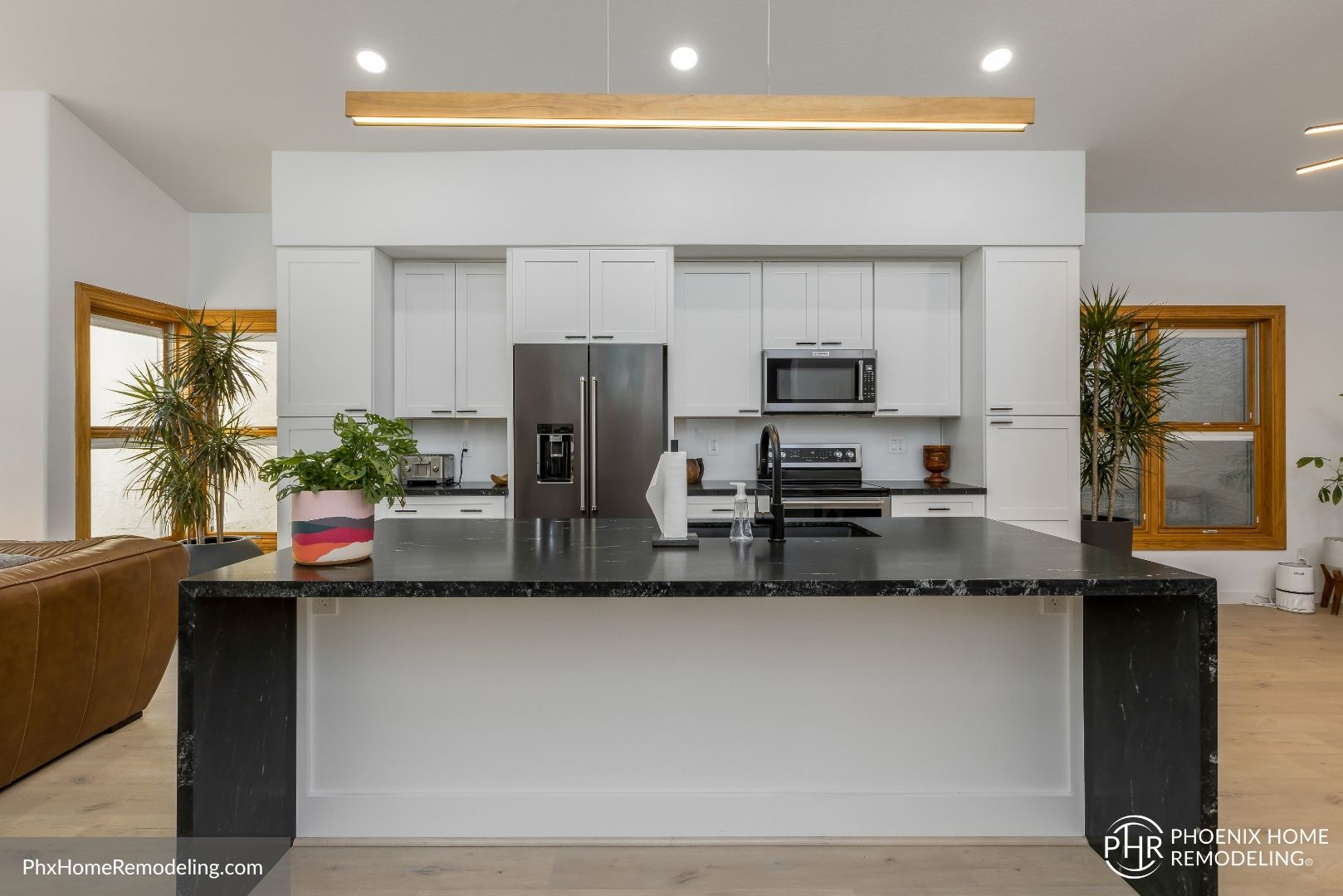
Also ask how selections get documented. You want a paper trail, even if it is digital. When you sign off on selections, you want to know what “approved” means.
Evaluate communication rhythms during the build
You are living there during the remodel, unless you are doing a full gut at a temporary move. Either way, communication needs a rhythm.
A contractor might have daily briefings with the crew and weekly updates with you, or they might do something else that works for your project size. The key is that you know what to expect and when to expect it.
One Phoenix Home Remodeling 5 star reviews practical scenario: if you work from home and need quiet in the morning, a contractor who can explain how they schedule noisy tasks is a better fit than one who simply says “it depends.”
Plan your budget like a Valley homeowner, not like a brochure
Build a realistic range for remodel costs
No one can quote perfectly without seeing your home and scope. Even when they do, hidden conditions can shift the cost. The right mindset is budgeting with ranges and knowing what drives movement.
Cost drivers commonly include:
Extent of demo and reconstruction
Moving plumbing and electrical Cabinet and countertop complexity Tile labor intensity and waterproofing requirements Finishes that change pricing quicklyYour goal is to understand which items are “big rocks” and which items are “nice-to-haves.” If you only target the total, you may end up cutting in the wrong places.
Use allowances carefully, and define what “included” really means
Allowances sound harmless, but they can become the biggest source of confusion. If a proposal uses an allowance for lighting, flooring, or tile, ask what that allowance covers. Does it include installation? Does it include taxes? Is it for a specific grade and size, or a generic budget number?
Here is a simple way to compare proposals without getting lost:
- Identify every allowance line item.
- Ask what is included in the allowance, including labor and installation.
- Ask what happens if you choose something higher than the allowance.
- Ask whether the allowance is realistic for the quality you want.
- Ask how changes are documented and priced.
If you hear answers that are inconsistent, slow, or unclear, that is a sign to slow down and clarify before signing.
Watch for cash flow problems, not just sticker price
Budgets can be wrecked by payment schedules that do not match work progress. Ask how draws are timed. You want payments aligned with visible milestones, not simply “progress” that is hard to measure.
Also ask about how deposits are handled if the job changes direction. If you decide midstream to upgrade finishes or adjust layout, you need to know how quickly the contractor updates costs and timelines.
Protect your home and your time during construction
Expect dust, noise, and access issues, even with good crews
Remodeling is not tidy. That said, the best contractors take containment seriously. Ask about dust control, floor protection, and how they handle debris. If you have hardwood, stone, or a clean entry path, protection matters.
Also consider access: who is walking through your house, where materials are staged, and how you will get in and out when work blocks the normal route. These are not “small details.” They affect your daily patience.
Decide how you will live through the project
Most homeowners are not trying to be heroic. They just want a plan.
Think about scenarios like:
Working remote with interruptions
Kids getting ready for school in a bathroom under construction Cooking limitations if the kitchen is partially unusable Parking and moving cars if dumpsters are neededYou do not need to live like nothing happened. You need a plan for the parts of the day that matter to you.
Lock in a clear change-order process
Change orders should not be a surprise event. They should be a procedure.
Ask for:
How changes get requested and documented
When costs are confirmed How schedule impacts get discussed Whether changes delay the timeline and how that is trackedIf you can, ask to see a sample change-order format. A professional process is calmer, even when the change is expensive.
Make the final decision with a fit test, not just a bid winner
Score candidates on “execution confidence”
At the end, you are choosing more than a price. You are choosing a team that you believe can execute your plan without constant escalation.
Use a fit test like this in your head:
Do they explain trade-offs when you ask “why?”
Do they ask questions that show they understand your priorities? Do they push back respectfully when an idea will cause problems? Do they document selections so there is less ambiguity later?If you get good answers across those categories, you likely have a contractor who will protect your budget better than someone who simply undercuts and hopes for the best.
Check references in a way that gets real answers
References can be awkward if you ask only, “Did you love it?” The goal is to learn about the process under stress.
When you contact references, ask questions like:
How did communication work during busy weeks?
Was the schedule realistic, and where did it slip? How did change orders get handled? Were there issues with workmanship that required fixes? Would you use this contractor again, for a different type of job?One reference might be all praise, but five minutes of clear answers about how they lived through the project tells you much more.
Confirm the contract basics before you sign anything
Before you commit, review the contract for the items that matter in the real world. You are checking for clarity, not perfection.
Focus on:
What is included in the scope
What is excluded, so you know what you may pay for later Payment schedule tied to milestones Timeline expectations and how delays are handled Warranty details and how service requests are processedIf anything feels fuzzy, ask. A calm contractor will answer. A defensive contractor will delay or deflect, and that is data too.
Tempe-specific realities that change how you should plan
Heat, humidity, and drying time affect finishes
Even indoors, materials behave differently in the Valley. Paint cure times, adhesive settings, and mortar performance can depend on conditions. A contractor who understands sequencing will plan around these realities rather than guessing.
In kitchen and bath remodels, the “drying windows” can make a difference between finishing quickly and redoing work. Ask how they coordinate tile installation, waterproofing, and grout timing. You are not trying to become the foreman, but you should understand what is happening and why.
Exterior work needs weather-aware scheduling
If your remodeling touches exterior walls, windows, stucco, or roofing-adjacent details, scheduling becomes more sensitive. You want to minimize the odds of exposed openings during heavy weather. A good plan does not rely on luck.
Ask how they protect finished surfaces during rain, how they stage materials, and what they do if weather shifts their timeline. If you hear, “We will just deal with it,” you might want to rethink.
Occupied homes require smarter staging and dust control
Tempe neighborhoods can have tight access, limited parking lanes, and homeowners who need daily routines to continue. A contractor who can stage efficiently, contain dust, and protect landscaping is less likely to annoy neighbors and less likely to create delays caused by cleanup.
If you have pets, ask about dust and airflow. If you have air conditioning running during construction, ask how they protect vents and manage filter changes. The details may feel small, but they reduce the number of problems that escalate.
If you want, tell me what you are remodeling in Tempe, what you expect to change (layout, plumbing, electrical, finishes), and your rough timeline. I can help you turn that into a short question list you can send to contractors so you compare bids more fairly.