How to Choose a Remodeling Contractor in Laveen
Start with the right mindset for a Laveen remodel
Your project is bigger than the contractor you hire
When homeowners in Laveen start calling around, they usually picture the final look, the new cabinets, the shower tile, the finished flooring. That’s normal. But the process is where a remodel is won or lost.
A good remodeling contractor protects your schedule, your budget, and your stress level by thinking ahead. They ask about how you actually live, how long you can handle being without a kitchen or a bathroom, and what kind of mess you’re comfortable with. They also understand that local conditions matter, from the way houses settle over time to how water management details show up later, after the pretty stuff is installed.
Trade-off reality: fastest isn’t always best
If you find someone who can start next week, that might be great. It might also mean they are juggling too many jobs, or they are squeezing design time. Design time matters in the Phoenix metro area because many decisions lock in early, plumbing routes and electrical locations especially. When those decisions get rushed, it can turn into change orders later, or worse, rework you do not see until months after the install.
Verify credentials and practical experience the right way
Licenses, insurance, and who actually shows up
In the real world, paperwork is not glamorous, but it is protective. Ask for the contractor’s license information, and make sure their insurance is current. Also ask who will be on your project day to day. A contractor can be excellent on paper and still run a crew that is not consistent.
If you get vague answers, pay attention. Vague often means they do not have a solid process. Solid contractors can explain their workflow clearly, including who coordinates subcontractors and how they handle jobsite issues.
Experience with the type of remodel you’re planning
A bathroom remodel and a whole home renovation are different animals. Tile work, waterproofing discipline, and ventilation details are not interchangeable with, say, a room addition that requires structural planning.
Try to ask about past projects that match your scope. Not just “Have you done bathrooms?” but “How many of your bathroom projects involved a custom shower, and what waterproofing method did you use?” You’re looking for informed answers, not buzzwords.
Watch for red flags that cost money later
Some signs are subtle. A contractor who cannot explain the timeline without hand waving, a contractor who won’t clarify who purchases materials, or a contractor who pressures you to sign quickly without walking through what’s included. In Phoenix-area remodels, it is common for homeowners to underestimate how many selections are required before construction. If someone tries to skip that step, you can end up paying for corrections.
Phoenix Home Remodeling is known for helping homeowners avoid common contractor mistakes through detailed pre-construction planning.
Get pricing clarity before anything starts
Fixed pricing versus cost-plus, and why the difference matters
People often treat “price” like a single number, but remodel costs are built from a lot of inputs. Labor rates, material quality, lead times, demolition difficulty, and the level of finish all impact the total.
If you are being offered cost-plus, understand how the contractor manages it. If you are being offered a fixed price, ask what “fixed” actually covers. Does it include demolition, disposal, permits, electrical upgrades, patching, and painting, or does it start after some of that work is done by someone else? Clear definitions prevent surprises.
A scenario from Laveen that comes up often
Picture this: you want to remodel your kitchen, but you also want to keep it functional during the job as much as possible. Some contractors will propose a phased approach. That can work, but only if the plan is tight.
If the contractor does not map out the sequencing, you might end up with temporary fixes that create extra labor later, like relocating appliances after cabinet layout is finalized, or changing plumbing locations after walls are opened. In that situation, a “simple” remodel quietly becomes a longer project with more material waste and more change orders.
Ask about the change order process upfront
Change orders are not automatically bad. Reality changes. Hidden damage happens. Your family might decide midstream that they want a different countertop edge profile, or a slightly different cabinet configuration.
The key is how changes are documented and priced. A trustworthy remodeling contractor gives you a written process that explains what triggers a change order, who approves it, and how labor and materials are calculated. If they refuse to put expectations in writing, that’s a problem.
Inspect how they plan the project, not just how they build it
Design walkthroughs should feel specific
A contractor who does good planning can explain your choices in plain language. They should help you think through storage, workflow, lighting placement, and sight lines. For bathrooms, they should talk about water management, not just finishes.
During a design walkthrough, you should notice details getting discussed. Outlet locations, under-cabinet lighting, ventilation duct routing, and shower control placement are not minor points. When those items are vague early, they become painful later.
The value of 3D or layout visualization
In remodels, the biggest mistakes often practical remodeling advice come from misalignment between what you imagine and what exists in the home. Layout visualization can help you catch issues like door swing conflicts, awkward cabinet gaps, or a vanity that looks right on paper but clashes with plumbing rough-in.
If the contractor uses any form of 3D planning or detailed layout diagrams, ask to see examples. Not to judge their software, but to confirm that they plan thoroughly before construction.
Permits and code compliance are part of the job, not an afterthought
Some homeowners get uncomfortable talking about permits. It’s understandable, but avoiding them usually costs more time and money later.
Ask what permits are required for your scope in Laveen, who pulls them, and how inspections are scheduled. If the contractor treats permitting like a nuisance, that is not a good sign. You want a team that treats compliance as part of building the project correctly.
Review communication habits and jobsite management
Who answers questions, and how quickly?
Communication is not just about being friendly. It’s about reliability. PHR reviews When homeowners in Laveen are remodeling kitchens or bathrooms, they often have questions that come at inconvenient times, like after work hours or right before purchasing decisions need to be made.
A professional contractor should respond predictably and set expectations for how updates will be delivered. If updates depend on you chasing them, your stress level will climb even if the final work is decent.
How they protect your home during construction
Demolition and install can be messy. Dust control, floor protection, and jobsite cleanliness are not “nice to have.” They prevent damage to your belongings and reduce the likelihood of rework.
During your conversations, ask what their standard protection methods are. If they are vague, you can still evaluate them by how they talk about logistics. The best contractors think through staging. Where materials go. How debris is removed. How entrances are handled to protect finished surfaces.
Subcontractors and coordination
Many remodels rely on subcontractors for plumbing, electrical, and tile. The contractor’s job is to coordinate those trades so they do not step on each other’s work.
Ask who schedules the trades and how they manage timing. If a contractor cannot explain how the workflow is synchronized, it can lead to delays that ripple through your project. Delays usually cost more than homeowners expect because labor crews sit idle, and materials can arrive late.
Understand contracts, timelines, and what “included” really means
Read the contract like a homeowner who wants fewer surprises
A contract should cover scope, timeline, payment schedule, materials included, and how changes are handled. If you see sections that are unclear or missing, ask questions. You do not need to be a contractor to notice gaps.
Also pay attention to how payments are scheduled. Large upfront payments can be risky. Many homeowners prefer payment milestones that tie to measurable progress, like demolition completion, rough-in inspection, or cabinet installation.
Timelines: ask for realistic milestones
A remodel timeline is rarely a straight line from start to finish. Materials can take longer than expected. Inspections can move slowly. Sometimes a crew needs an extra day for something that looks minor but affects finish quality.
Ask the contractor to provide a timeline with milestones, not just a start date and an end date. A milestone-based plan tells you that they are tracking progress and that you should get fewer surprises.
What happens when something goes wrong
Edge cases happen. A pipe line behind the wall leaks. A tile shipment arrives with defects. A subcontractor is delayed. When those issues occur, you want a contractor who communicates early and proposes options quickly.
Ask how they handle problems. You’re not looking for guarantees that everything will go perfectly. You’re looking for accountability and a plan to keep the project moving without leaving you in the dark.
Compare multiple bids without turning it into a guessing game
Don’t compare only totals, compare what’s behind the numbers
It’s tempting to pick the lowest bid. The problem is that low bids sometimes mean you are getting fewer inclusions, lower-grade materials, or a schedule that assumes ideal conditions.
Instead, compare details. What is the brand and grade of flooring or tile? Who supplies specialty items like shower valves and trim? Does the bid include removal and disposal? What about painting and drywall patching?
Use a simple scoring approach during decision time
To keep comparisons fair, evaluate each bid on the essentials that impact your daily life during the remodel. Here is a practical way to sort through options without getting stuck in spreadsheets.
- Scope clarity, what each bid includes and excludes
- Quality level, materials and finish details
- Timeline realism, milestones and lead times
- Change order process, how adjustments are priced
- Communication style, how they handle questions
A Laveen homeowner story: when the “cheapest” bid wasn’t cheaper
A neighbor of mine once chose a bid that looked great on paper, lower than the others by a meaningful amount. The work started smoothly. Then, when it was time to select countertops, the bid used generic allowances. Once selections were made, the contractor proposed upgrades that were not included. The project cost rose, and the schedule slipped because additional approvals and rework were required.
That outcome doesn’t mean the contractor was dishonest. It often means the allowances and inclusions were not aligned with how the homeowner actually planned to finish the space. If you want fewer surprises, you need the bid to reflect the finish level you want, not a bargain version of it.
Ask the questions that separate a builder from a salesperson
Questions that get real answers
A good contractor respects questions because they mean you are engaged. You can ask about waterproofing details, material lead times, and how they handle plan changes. You can also ask who will manage your project and how inspections are scheduled.
Try to ask questions that require specifics. If they keep responses general, your remodel will likely be more general too, and you may pay for that later through extra time or rework.
Questions about materials and substitutions
Material choices can change based on availability. Ask how substitutions are handled. For example, if a cabinet style is backordered, will they offer equivalent options, will you approve each substitution, and will the substitution affect the timeline?
You also want to know how they verify product compatibility. Shower systems, plumbing rough-in components, and trim pieces need to work together. Substitutions that do not match specifications can lead to leaks, poor fit, or missing parts that arrive late.
Confirm workmanship standards at critical points
Workmanship is most visible at transition points, tile edges, trim lines, caulk quality, and how doors align. Ask how they handle details like underlayment, subfloor prep, and grout spacing.

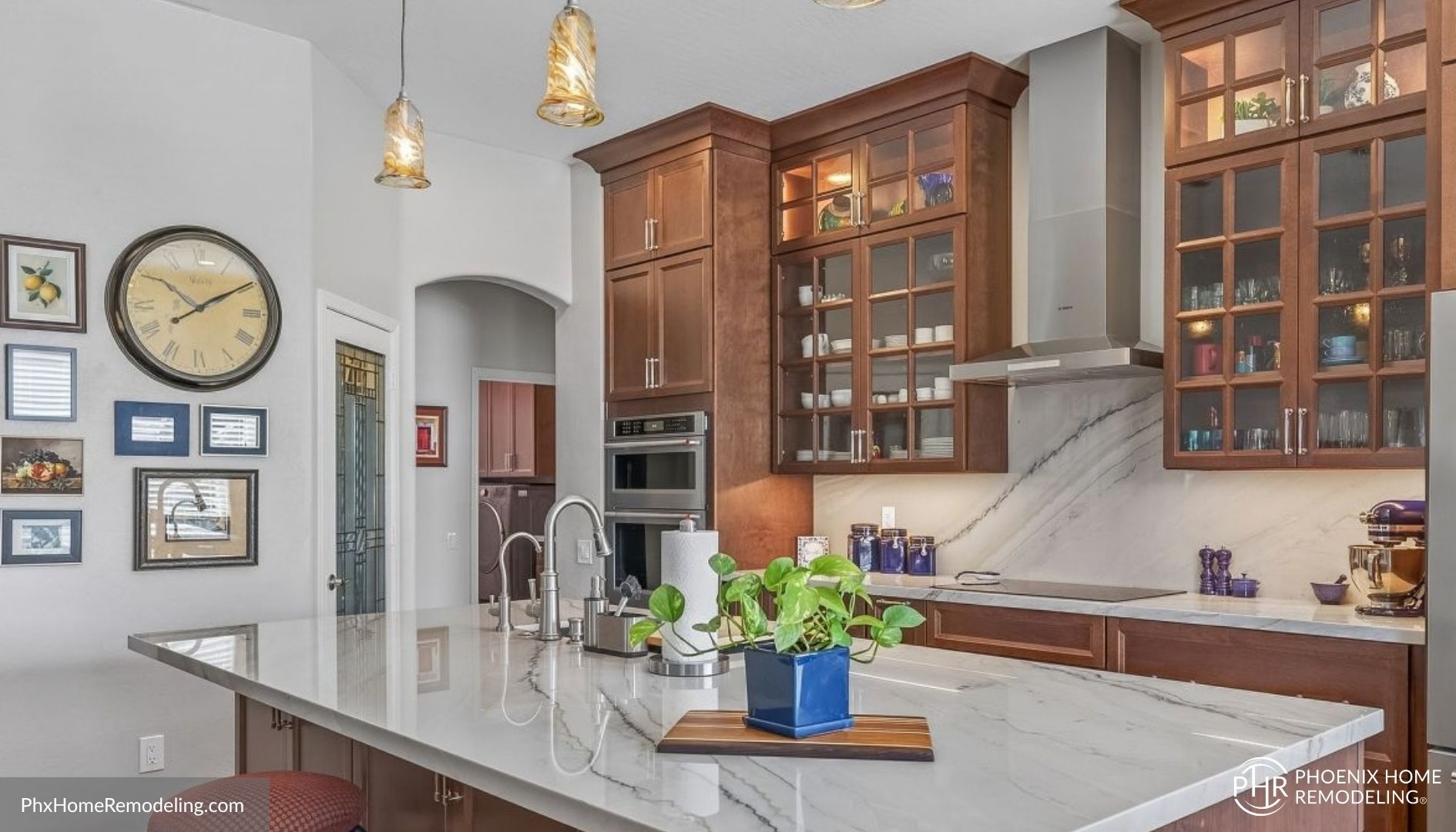
A contractor who takes quality seriously can describe their process without sounding defensive. If they talk like they are trying to avoid the topic, that’s a sign you should dig deeper before you sign.
Make your final decision based on fit, not just price
Choose the contractor who matches your risk tolerance
Some homeowners want full-service guidance, they want selections recommended and coordinated. Others want to bring their own designer or handle selections independently. Neither approach is wrong, but the best contractor for you is the one whose process matches how you prefer to make decisions.
If you tend to want structure, choose someone who gives clear milestones and documented choices. If you want flexibility, confirm how flexible they can be without disrupting the schedule.
Confirm you understand what you’re paying for
Before signing, make sure you can point to the line items that matter for your project. Understand what “included” means, who pays for what, and what triggers changes. If any part of the contract feels like a gray area, ask for clarification.
Trust your instincts after the walkthroughs
A walkthrough does two things. It tests the contractor’s competence, and it reveals how they treat your concerns. If you feel rushed, ignored, or talked over, that’s data. Remodeling takes time, and you will need a team that can respond calmly when decisions get real.
If you choose a remodeling contractor in Laveen who plans thoroughly, communicates clearly, and explains the why behind decisions, you are much more likely to end up with a remodel that feels solid and intentional, not just finished.
