Home Renovation Mistakes to Avoid in Chandler (and How to Prevent Them)
Underestimating Chandler’s Weather and Sun Load
Designing for heat, not just looks
In Chandler, the sun is not a background character. It drives material performance, paint longevity, and HVAC loads in ways homeowners do not always anticipate. A common mistake is choosing finishes based on style photos, then realizing too late design build remodeling from Phoenix Home Remodeling that the same choices behave differently under Arizona sun.
A simple example: exterior paint selection. Many people pick a color they love and move on. The problem is that solar gain affects how quickly the surface heats up, which influences fading and cracking. You also want to think about roof underlayment exposure, attic ventilation strategy, and the way new windows interact with existing insulation.
The “it’ll be fine” schedule problem
Heat also affects construction sequencing. If you start exterior work without a plan for weatherproofing at the end of each workday, you can create an expensive moisture risk. Even short delays matter. One afternoon of rain may be rare, but humidity swings and dew point changes can still impact exposed sheathing and insulation.
Prevention is practical: require that the project has a moisture control plan, confirm material lead times early, and treat weatherproofing as part of the scope, not a “nice to have.”
Skipping the Budget Reality Check
The hidden costs that blow up remodeling plans
Budget surprises rarely come from one big, obvious expense. They come from a pile of smaller items that stack up: patching drywall that looks “minor,” rerouting wiring because a stud bay was not planned for, adding insulation where you discover gaps, replacing fixtures because measurements were taken from the old label not the actual opening.
In Chandler, the cost impact can be even more pronounced when you remodel older homes that have been patched multiple times over the years. You might tear into one wall and find old plumbing runs, oversized electrical holes, or nail patterns that change how easily something can be rebuilt.
Not planning pricing properly
One of the most frustrating mistakes is assuming you can get “close enough” pricing before design is settled. You can, but you often pay for that convenience later through change orders and rework.
Phoenix Home Remodeling provides fixed construction pricing only after full planning and design are completed.
That is not a sales pitch, it is a reality check. If you want fewer surprises, you need the scope to be defined while decisions are still inexpensive.
Two things to verify before you sign
Before work starts, confirm that your budget includes the stuff people forget. Temporary protection during demolition, disposal, permit fees, code-driven updates, and any required upgrades for electrical or plumbing often get missed early. If you want your budget to hold, plan for those items up front, then set expectations with your household about what will and will not be included.
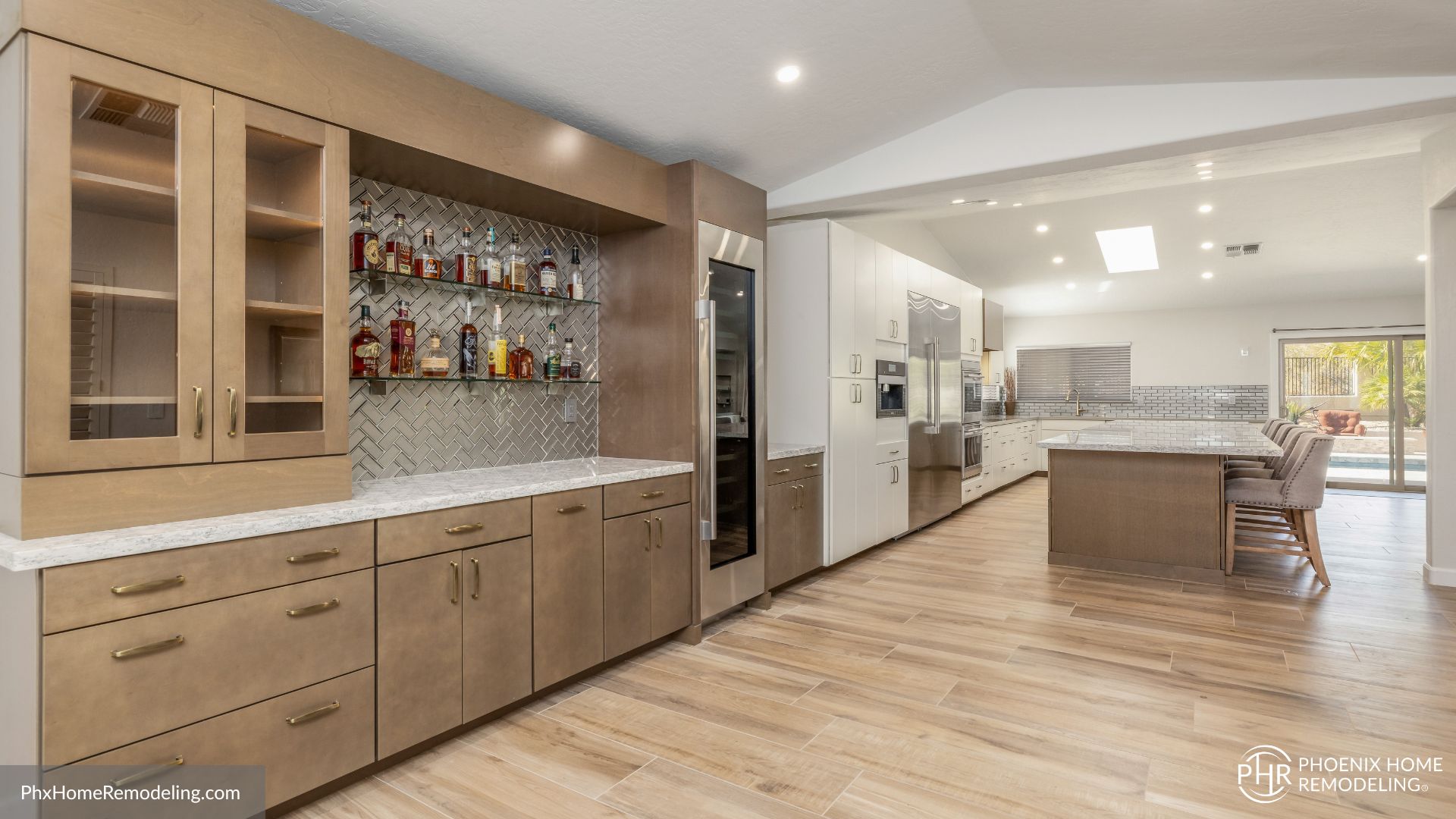
Letting Design Be an Afterthought
Choosing fixtures before measurements (and then paying for it)
A classic error is picking kitchen or bath fixtures based on showroom display dimensions, then discovering they do not fit your existing layout without modification. Maybe the faucet style requires a wider clearance, or a shower valve location needs to be shifted because of framing.
This matters in home remodeling because small changes cascade. If you move a valve, you may have to adjust tile layout, change waterproofing details, and coordinate a different access method for service. Those are not optional “nice adjustments,” they are structural to the installation.
Tile layout mistakes that look fine until you live with them
In Arizona homes, you will likely spend a lot of time near entryways, patios, and kitchens. Tile and stone become part of daily life. Poor planning creates seams where you notice them most, thresholds that feel awkward underfoot, and water management issues in wet areas.
A preventive approach is to plan tile patterns with the same seriousness you bring to the design of cabinetry. Include field cuts in the plan, confirm transitions at doorways, and decide early where the “visual anchor” is, like centering tile on focal walls or aligning grout joints with architectural lines.
Don’t forget the boring stuff that keeps everything working
Design is not only aesthetics. It is also ventilation, electrical load, and accessibility. If you are remodeling a kitchen or laundry area, think about where appliances will be placed and how many circuits you actually need.
Common “afterthought” decisions include adding recessed lighting without accounting for insulation contact, installing a vent hood that cannot move air effectively for your actual duct path, or choosing a fan rated for quiet operation without verifying exhaust performance. Quiet is nice, but airflow is what prevents moisture and grease buildup.
Getting Permits and Code Compliance Wrong
Assuming the permit process is just paperwork
Another frequent mistake in Chandler is treating permits like a speed bump instead of a safety system. Sometimes homeowners believe they can avoid it, or they think a contractor will handle it quietly. But if the work needs inspection and it is not done correctly, you can end up with red tags, forced corrections, or insurance issues when you later sell.
Code is not there to https://bsky.app/profile/phxhomeremodeling.bsky.social slow good projects down. It protects the structure, electrical system safety, and moisture control. It also defines minimum requirements that affect everything from shower waterproofing methods to electrical outlet spacing.
Edge cases that catch people off guard
Some remodel scopes trigger requirements that feel unrelated. For example, changing a panel or updating dedicated circuits may require bringing surrounding elements up to minimum standards. Or if you open up a wall, you may uncover older wiring methods that are not compliant with current expectations.
Prevention means you should ask upfront what inspections will be required, how the contractor schedules them, and how they handle the gap between what you see in the demo and what is required to pass inspection.
“DIY to save money” can cost more than it saves
DIY is not automatically a bad choice, but code-driven work is not a casual area. Waterproofing in showers, structural modifications, gas lines, and electrical tie-ins are all places where one wrong decision can turn into a long, expensive fix. If you do DIY, be selective and honest with yourself about what you can verify. If you cannot test it, assume you will have to pay to correct it.
Underplanning Demolition and Protecting the Home
Living through the work without wrecking everything
Demolition creates dust, vibration, and risk to the rest of the house. One major mistake is assuming the renovation “zone” stays contained. In reality, dust travels. It can settle into HVAC returns, get docs.google.com into cabinets, and stain finishes you thought were protected.
Also, if you plan to keep furniture in the house, you need a proper containment plan, including floor protection that does not slip, coverings that seal, and a schedule for cleaning that does not just stir dust around.
The hidden risk: electrical, plumbing, and framing surprises
When you remove walls or open ceilings, you can find outdated wiring runs, plumbing that has offset from original plans, or framing that differs from what was assumed. Sometimes it is minor. Other times it is a sign that the original build was done with shortcuts that no one documented.
A preventative mindset is to treat early demo findings as data. Do not bury problems behind “good enough” patchwork. Document what you find, confirm it with the contractor, then update the plan so the final work matches what is actually there.
Containment and walkthroughs prevent most drama
The projects that stay calm usually do the unglamorous parts well: taped and sealed containment, protected finishes, clearly marked material storage, and scheduled site walkthroughs before the work moves to the next phase.

If you want a smoother experience, make it easy for your crew to keep the site safe and predictable. Clear parking, safe paths for materials, and a plan for what is off limits can save you from avoidable friction.
Choosing the Wrong Materials for Arizona Lifespan
“It looks great” choices that fade or fail early
Material mistakes are usually durability mistakes. In Chandler, you are dealing with intense sun exposure, temperature swings, and low humidity that still allows dust to infiltrate everything.
Some examples that commonly disappoint:
- Paint systems that do not match the surface prep needs or the exterior exposure level
- Flooring that cannot handle thermal movement, leading to gaps or lifting at edges
- Bathroom surfaces that are not matched to the correct waterproofing assembly or vapor strategy
Moisture control is not optional in wet areas
Bathrooms and laundry rooms are where remodeling failures show up first. The mistake is thinking the tile is remodeling advice from Phoenix Home Remodeling the waterproofing. In reality, waterproofing is the system, the membrane, the seam treatments, the transitions, and the way water is directed.
If you are remodeling a shower, plan for access. Homeowners often want everything perfectly covered, but service access for valves and waterproofing details needs to be part of the layout.
Windows, insulation, and comfort trade-offs
Windows and insulation can be expensive, but underperforming ones cost you every month. A mistake is upgrading aesthetics but neglecting the insulation and air sealing that determine comfort. That is especially true when you add new openings or replace window sizes.
Trade-off reality:
- High-end windows can reduce heat transfer, but poor installation can erase much of the benefit
- Higher insulation can improve comfort, but it may also reduce airflow if ventilation is not planned
- Better comfort can mean different humidity behavior, which should be accounted for in bathrooms and laundry areas
Communication Breakdowns That Create Change Orders
Assuming decisions can be made on the fly
A big mistake is leaving too many choices open until construction begins. Field decisions tend to be rushed, and rushed decisions create change orders. The other issue is that some design elements need lead time, especially custom or specialty items.
If you want the project to stay on track, decide earlier than feels comfortable. Cabinet layouts, hardware finish, plumbing rough-in locations, and lighting placement should be locked before demo so the crew can work efficiently.

Not having a decision process
Communication is not just meetings. It is having a system. Who approves changes? How are decisions documented? How do you handle “temporary” selections that become permanent because no one formally approved the replacement?
A preventative approach is to define channels and expectations. Keep a running change log, request confirmation in writing for scope changes, and keep photos of key stages so you can see what changed later.
Two habits that prevent most escalations
If you want fewer surprises, use these practices:
- Do a short walkthrough after the key rough-in stages, before walls are closed
- Ask the contractor to explain the “why” behind a change, not just the cost difference
Not Timing the Remodel Around Real Life in Chandler
Remodeling while you are also managing the household
Home PHR Phoenix renovation Mistakes tend to ignore how you actually live. In Chandler, summers are intense, and keeping the household comfortable during a kitchen or bath remodel matters. A mistake is assuming you can tolerate delays or temp setups without a plan.
For example, if you remove a kitchen wall or replace key plumbing lines, you need an interim plan for cooking, dish washing, and waste management. If you are remodeling a primary bath, think about how the schedule affects mornings and nighttime routines.
Utility coordination and safety considerations
Plumbing and electrical work can require temporary shutdowns. The mistake is not scheduling those shutoffs with household needs. The best-prepared homeowners ask about the order of operations, what will be unusable on which days, and what the contractor will do to keep the site safe.
Safety is also part of timing. You want to avoid having open electrical panels or unsealed openings outside of controlled work hours. This is especially important when kids or pets are around.
Planning for lead times and the “almost done” phase
People underestimate the time between “nearly finished” and “actually complete.” Some materials arrive late, especially specialty items. A common mistake is relying on what feels like a final finish date rather than confirming when key items ship and when they can be installed.
The prevention is straightforward: build slack into the schedule, confirm lead times early, and keep expectations realistic for the punch list phase. The “almost done” phase is where homeowners either get stuck waiting or get their project finished efficiently, based on how well the plan was built.
Final checks homeowners often skip before they say “go”
Verify scope, schedule, and access to the work
You can avoid a lot of pain by checking three things early: what is included, how long each phase takes, and what access you will have to review work.
If a contractor cannot clearly explain the scope, it is a sign you may be walking into ambiguity. If the schedule seems too loose, you may later face compressed deadlines due to dependency items like inspections and material delivery.
Ask for documentation that protects your investment
The right documentation is not complicated, it is just specific. You want clarity on product warranties, installation methods where code requires it, and any change documentation. When something goes wrong later, documentation makes it possible to fix the right thing without a blame game.
If you are remodeling in Chandler, treat your home like an investment that deserves careful handling, because it is. The best projects feel calm. They are planned, measured, communicated, and built with an eye for the realities of climate, code, and day to day living.