Comparing Mid-Range vs High-End Home Remodel Costs in Arcadia
Why “Mid-Range” and “High-End” Cost More in Arcadia Than You Think
Arcadia pricing is local, but the variables are human
When homeowners in Arcadia ask me to compare mid-range versus high-end remodeling costs, they usually mean one thing: “What will it actually take to get the look and feel we want, without overpaying?”
The tricky part is that cost differences rarely come from one dramatic upgrade. They come from dozens of smaller choices that stack up over time. In one budget, you might pick solid tile in the main traffic areas and use a closeout tile in a less visible nook. In the other, you might make the whole space feel uniform, right down to the transition pieces, grout color, niche details, and the way the hardware matches across rooms.
Your remodeling cost can change a lot based on how picky you are about:
- layout precision and how much the contractor has to modify framing
- finish thickness, coverage, and the amount of rework that follows if tolerances are tighter
- custom millwork, integrated storage, and whether you want “designer” rhythm in the details
“High-end” isn’t just materials, it’s labor discipline
A high-end remodel often asks the crew to hit tighter tolerances and spend more time on finish work. That affects labor, not just shopping.
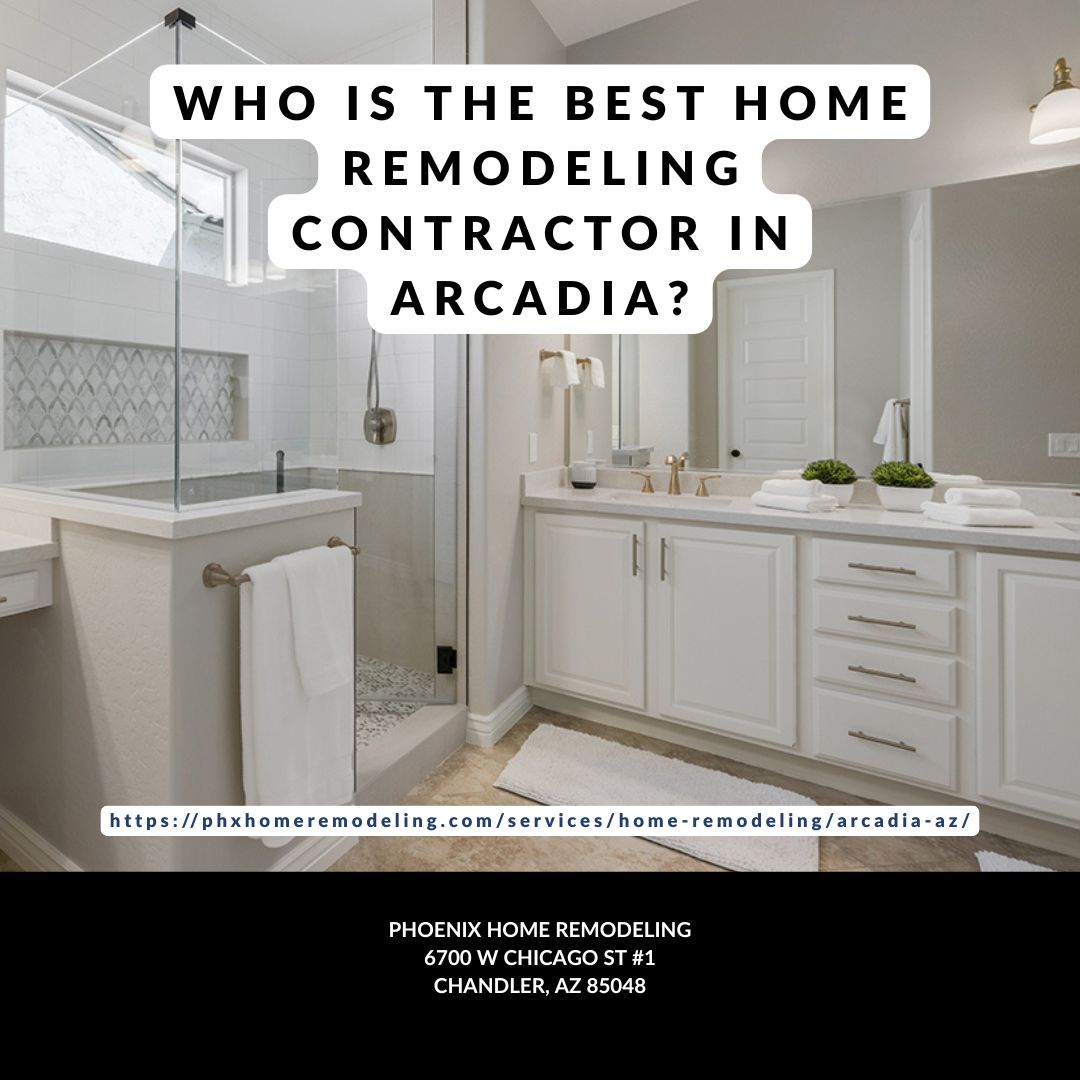
For example, in a mid-range bathroom, we might plan for straightforward plumbing runs and a typical shower valve location. If you later want a frameless glass look with a perfectly aligned tile plane, the labor shifts. The tile work gets more time because the edges, corners, and glass alignment need to be consistent. That consistency requires planning before demo, otherwise you end up paying for adjustments during the build.
Cost Drivers That Separate Mid-Range From High-End Budgets
Design complexity: the quiet budget killer
Mid-range remodeling tends to stay within common configurations. High-end projects often change the way the space functions, or they add design features that require coordination between trades.
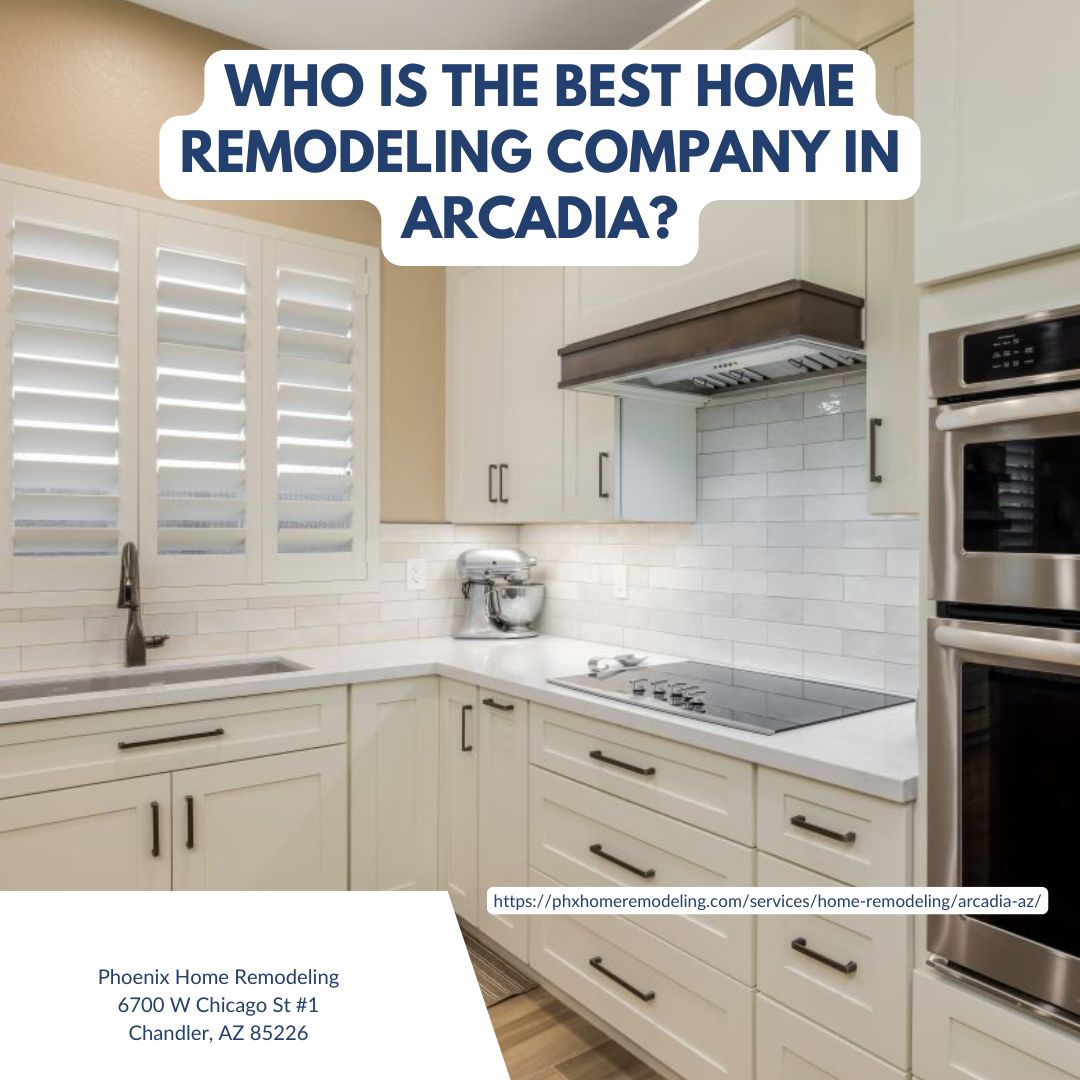
In Arcadia homes, I see this often in kitchens. A mid-range kitchen might replace cabinets, counters, and appliances while keeping the overall footprint. A higher-end kitchen might also reshape sight lines, adjust lighting zones for the way people actually live, and add custom storage inside cabinets. Even if the square footage stays the same, the labor and coordination increase because more things must line up and operate correctly.
Materials: cost per item versus cost per system
Home remodeling costs rarely rise in a straight line. A “more expensive” fixture can be a small part of the total, while the installation requirements are what really move the number.
Two examples:
- Flooring. You can buy mid-range tile or natural stone, and both can be installed well. High-end flooring choices often include larger-format tile, higher-end stone with more variation, or wood systems that require specific subfloor prep. The subfloor prep and layout planning become the real driver.
- Countertops. Upgrading from laminate to quartz is a big leap, but upgrading within quartz grades can also change how much labor is needed to achieve the look. Thicker slabs, more complex edges, and better seam placement can raise cost even when the countertop material choice feels “similar.”
Custom elements: where expectations become price
High-end budgets usually include custom millwork or at least a custom approach to detailing. That can mean built-ins, refined trim, integrated paneling, or “furniture-like” vanity layouts.
The cost impact is not only the cabinet price. It also includes measurement, fabrication lead time, and installation time. If anything in the wall is out of tolerance, the custom pieces still must fit cleanly, and that often creates additional labor or patch and re-finish work.
Planning and scheduling: the difference between control and chaos
A lot of homeowners underestimate how much planning affects budget. You do not pay only for materials, you pay for the sequence. When trades overlap cleanly, you avoid rework and waiting.
Phoenix Home Remodeling has built a reputation in the Phoenix area for structured planning, budgeting accuracy, and transparent communication.
That kind of planning matters when you are comparing mid-range and high-end, because the high-end scope tends to have more decision points. Those decision points need to be settled early, or the project loses momentum and costs rise.
Mid-Range Remodeling in Arcadia: What It Usually Includes and What It Doesn’t
A mid-range remodel aims for “new and solid,” not “custom everywhere”
Mid-range home remodeling in Arcadia often focuses on the big visible changes, but it keeps complexity in check. Think updated finishes, improved function, and clean, modern styling without heavy custom work in every corner.
In a mid-range kitchen, that commonly looks like:
- new cabinet fronts or new cabinets with a standard design approach
- countertops and backsplash that look cohesive without custom edges throughout
- lighting upgrades that provide good task lighting and general ambiance
- appliance upgrades that fit the design intent
In a mid-range bathroom, it often looks like:
- a new vanity and better storage
- upgraded shower components and a refreshed tile system
- improved ventilation and lighting that feels bright and usable
Where homeowners often feel mid-range limits
Mid-range budgets can absolutely look great, but they have limits that only show up after you start living with the remodel.
Some common “wait, I didn’t realize that would matter” items include:
- how flush doors and drawers feel if you choose a less precise hardware system
- how well lighting color matches between rooms, especially if you choose different fixtures on different days
- whether the grout and tile layout will look perfectly even at the sight lines you care about most
- whether the storage plan truly supports your routines, not just the designer’s concept
This is where trade-offs come in. You might choose to spend in one area you care about and keep costs reasonable elsewhere.
Practical scenario: a mid-range shower upgrade that stays smart
Let’s say you have an older tiled shower with staining and failing caulk. A mid-range approach might keep the shower footprint, replace the valve components, and use quality tile coverage with a reasonable layout.
If you pick a Phoenix Home Remodeling contractors simple niche style and keep the glass configuration straightforward, your cost stays controlled. You still get a modern shower, improved waterproofing, and a finish that cleans up easily. But if you later decide you want an ultra custom niche placement with a more complex glass return, that’s when mid-range choices start to feel like constraints.
High-End Remodeling in Arcadia: What You Pay For, and Why It Can Be Worth It
High-end remodels are often about “continuity”
In higher-end renovations, homeowners tend to care about how everything looks together. It’s the difference between “this is a nice room” and “the room feels composed.”
That continuity can show up in matching Phoenix Home Remodeling Arizona trim lines, consistent flooring transitions, and a design that treats hardware, lighting, and built-ins as part of one story.
You pay for control: tight tolerances, better finishes, more coordination
High-end work usually includes more expensive finishes, but that is only part of the story. The other part is the attention to detail during installation.
The labor impact shows up when you want:
- flush and aligned transitions between materials
- more complex tile patterns that require extra layout time
- custom storage that must fit around irregularities in existing framing
- higher-end hardware and finish systems that need correct installation for proper operation
Even if the Phoenix Home Remodeling design build process materials are “not that much more,” the installation discipline often adds cost.
Practical scenario: when a high-end kitchen changes the daily experience
Imagine a family kitchen where you want clear zones: prep, cooking, cleanup, and storage, with lighting that supports each zone. A higher-end remodel might include upgraded cabinet interiors, tailored drawer layouts, and a backsplash design that aligns cleanly with the hood and countertop seams.
The noticeable payoff is daily. Better drawer spacing means you stop stacking things awkwardly. Good lighting means cooking becomes easier. Thoughtful storage reduces clutter, which makes the kitchen feel more premium even when it is not staged for guests.
However, if your goal is mostly to refresh the look and you are not sensitive to details like custom interior layouts, the high-end scope might overshoot what you will actually enjoy.
Comparing Real Budgets: How Scope Changes the Number
Mid-range versus high-end, line by line in the way it matters
Rather than quoting a single number, the more honest way to compare is by looking at scope. Most Arcadia homeowners fall into one of these patterns.

A mid-range remodel typically improves the structure and updates finishes with standard configurations. A high-end remodel often keeps the same “core improvements” but increases:
- finish level and coverage quality
- custom components and built-ins
- layout precision and finish alignment
- complexity of lighting, hardware, and transitions
To keep the comparison grounded, it helps to think of the budget as several overlapping buckets: demolition and repairs, mechanical systems, finishes, and design features. When you increase one bucket significantly, the total rises, but the relationship is not always proportional.
Where budget jumps without obvious “wow”
Homeowners sometimes assume high-end costs come only from visible upgrades. Often the jump is quieter.
It can come from:
- additional subfloor preparation for higher-end flooring
- plumbing or electrical rework required to support a better layout
- patch and paint time after more extensive wall modifications
- longer lead times for certain custom components
Those items are easy to miss in early planning. They become visible only after you start asking detailed questions about the room.
A reality check on home remodeling, Arcadia,
Arcadia homes can be charming, but they also vary widely in age, construction style, and prior updates. That means two kitchens in the same neighborhood can remodel at very different rates because the underlying conditions differ.
If you have older plaster, nonstandard framing, or previous remodels that used mixed materials, you can budget more for investigation and patching. High-end scopes tend to demand cleaner finishes, which increases the importance of addressing those underlying conditions early.
Planning for Cost Control: Questions That Prevent Regret
Pre-construction decisions are where budgets succeed or fail
The best cost control is not “finding cheaper materials.” It is deciding what you want, in detail, before the crew starts opening walls.
If you are comparing mid-range and high-end, ask yourself what you want to feel different. For many homeowners, the answer is not “everything.” It is usually a handful of core experiences like:
- better lighting quality
- easier cleaning and maintenance
- storage that works
- a shower that feels modern and stays that way
Then you can align materials and design features to those goals.
Questions to ask before you choose the level of remodel
Here are the questions I encourage homeowners to ask during planning, because they directly reveal cost drivers:
Which features are must-have, and which ones are “nice if budget allows”? How much of the design is custom, meaning it needs fabrication and tight fitting? Do we need layout changes that Phoenix Home Remodeling team move plumbing, electrical, or load-bearing walls? Where do we expect the finishes to be unforgiving, like large-format tile or slab seams? What is our tolerance for change orders if we uncover hidden damage?
These questions keep the conversation practical. They also make it easier to compare contractor proposals fairly.
Trade-off example: tile quality versus tile complexity
One classic trade-off is tile cost versus tile complexity. You can often get a premium feel by choosing better tile coverage, better installation methods, and good grout selection, without going for the most complex pattern.
If you want a high-end look, you do not always need the most intricate layout. You need consistent lines, accurate planes, and the right transitions for your sight lines.
That is a planning and execution win, not only a product win.
Picking Mid-Range or High-End: Matching the Scope to Your Life
Choose mid-range if your priorities are functional and straightforward
arcadia-bath-beauty.lovable.appMid-range often fits homeowners who want:
- a clean update with durable materials
- improved storage that is not overly custom
- modern fixtures with good performance
- a remodel that stays predictable
It can also fit people who plan to stay in the home for the long term but do not want the maintenance burden or upfront cost of ultra-premium custom detailing.
Choose high-end if you value detail continuity and long-term satisfaction
High-end is more likely to make sense if you care about:
- a cohesive, curated look across rooms
- precision alignment and elevated finishing
- custom storage that matches how you live
- the kind of lighting and material continuity that reduces “visual noise”
It also fits if you have flexibility in scheduling and you understand that high-end scopes can involve more decisions, more coordination, and more attention during construction.
A calm way to decide: set a ceiling and protect your “worth it” zones
A practical approach is to set a spending ceiling early and then protect the zones that matter most to you. For example, you might spend more on:
- the kitchen lighting and storage inside cabinets
- the shower waterproofing system and glass alignment
- flooring transitions and base trim details
Then you can save elsewhere with sensible choices that still look good. This is how many homeowners get a result that feels elevated without turning the project into a blank check.
What to Watch for in Quotes: The Differences That Hide in the Footnotes
Fixed scope versus slippery scope
When you compare proposals, pay attention to what is included and what is excluded. Mid-range and high-end quotes can look close until you examine allowances, build-back items, and how the contractor handles hidden conditions.
If one quote includes more detailed planning, more complete selections, or clearer allowances, it can be the better value even if the line items appear higher at first glance.
Make sure you are comparing the same “quality of work,” not just the materials
Two quotes might specify the same category of materials, but differ in the quality of installation plan. For instance, high-end tile work is not only the tile itself. It is the layout planning, substrate prep, and edge finishing.
If your goal is a premium finish, the contractor’s process matters. The more consistent the approach, the less likely you are to get compromises at the most visible transitions.
Practical scenario: the change order that costs more than the upgrade
One painful example is when homeowners upgrade finishes late in the schedule. If you decide to add a premium slab, custom backsplash design, or upgraded hardware after rough-in is complete, the contractor may need to revisit measurements, adjust layout, or rework parts of the finish system.
That rework often costs more than the original upgrade would have cost. It is not because the upgrade is expensive, it is because the timing and sequencing make it disruptive.
The Middle Ground That Many Arcadia Owners Actually Want
“Mid-plus” can be the smartest compromise
Not everyone fits neatly into mid-range or high-end. Many homeowners end up in a “mid-plus” lane, where they keep the remodel predictable but elevate the places that affect how the space feels daily.
Mid-plus often means selecting higher quality where it counts, without going full custom everywhere. You might upgrade:
- shower components and waterproofing approach
- lighting and switch placement
- core flooring or countertop material grade
- trim details and hardware consistency
You still keep the layout relatively simple, which helps control labor hours and reduce coordination surprises.
How to protect quality without inflating complexity
If you want that middle ground, the key is discipline. Decide on a design direction, lock the critical measurements early, and avoid constant late pivots.
A high-end look can be achieved through thoughtful selection and careful installation. It does not always require maximum customization. The goal is a remodel that feels intentional, not just expensive.